Africa’s urban transition is unfolding at an unprecedented pace. While the continent remains the least urbanised globally, it is experiencing the fastest rate of urban population growth worldwide, with an average annual surge exceeding 3.5 per cent. By 2050, approximately two-thirds of Africa’s population will live in urban areas, demanding massive investments in new housing stock.
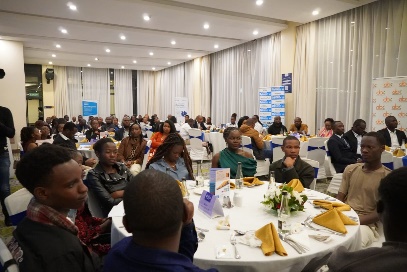
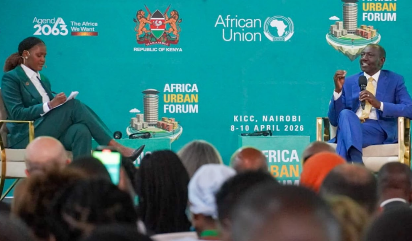
This pressing challenge took centre stage at the Second Africa Urban Forum (AUF2), held at the KICC in Nairobi from 8th to 10th April, 2026. Convened under the theme “Adequate Housing for All: Advancing Socio-economic and Environmental Transformation towards the realization of Agenda 2063,”the continental platform focused on the political commitments, financing, and policy pathways required to address Africa’s housing deficits.
Officially opening the forum, H.E. President William Ruto, highlighted the strides made under the National Affordable Housing Programme, noting that more than 270,000 affordable housing units are currently under construction across over 200 sites nationwide. Beyond putting roofs over heads, these projects have created over 640,000 jobs, restored human dignity, and curbed land fragmentation.
The Inseparable Link: Housing and Transport
NaMATA participated in the event from the audience and the exhibition floor, anchoring its presence on a fundamental urban planning truth: housing and mass transit are inseparable.
A residential development functions most effectively when its occupants can safely, affordably, and efficiently access the rest of the city. Unlocking the full socio-economic value of affordable housing requires integrated transport infrastructure that prevents community isolation and lowers daily commuting costs.
This is where Transit-Oriented Development (TOD) becomes the critical link. TOD is an urban planning strategy that builds the city around mass transit—like commuter rail stops or Bus Rapid Transit (BRT) lanes—rather than private cars. By keeping high-density residential developments within a standard TOD zone—roughly 400 to 800 metres from a transit station (an ideal 5-to-10-minute walk)—the metropolitan area can reduce traffic gridlock, lower household transport costs, and protect agricultural land from sprawl.
At the NaMATA exhibition booth, team members engaged with visitors to share insights on how mass transit frameworks can support these growing residential nodes to build a highly functional metropolitan area.
Moving From Blueprint to Reality
In Kenya, this structural link between the National Affordable Housing Programme and transit infrastructure is already transitioning from policy blueprints into live projects within the Nairobi Metropolitan Area, closely aligned with national development agendas:
A Coordinated Future
The insights shared at AUF2 served as a clear reminder that sustainable urbanisation requires robust cross-sector collaboration. Housing networks and transport networks are two sides of the same coin.
By anchoring affordable housing developments alongside high-capacity BRT lines, commuter rail networks, and non-motorised transport infrastructure, Kenya is setting a precedent for how African cities can manage rapid growth—ensuring future urban communities remain orderly, connected, and accessible for all.